Review: Lucky Jet Mobile App Energy Efficiency of Lucky Jet Mobile App
Lucky Jet by 1win is a fast-paced crash-style casino-game that has become popular among players from Multi. This review focuses on the energy efficiency of the Lucky Jet mobile app and how platform speed affects gameplay, battery consumption, connection stability, and user experience while playing in an online casino environment.
Overview of Lucky Jet Gameplay
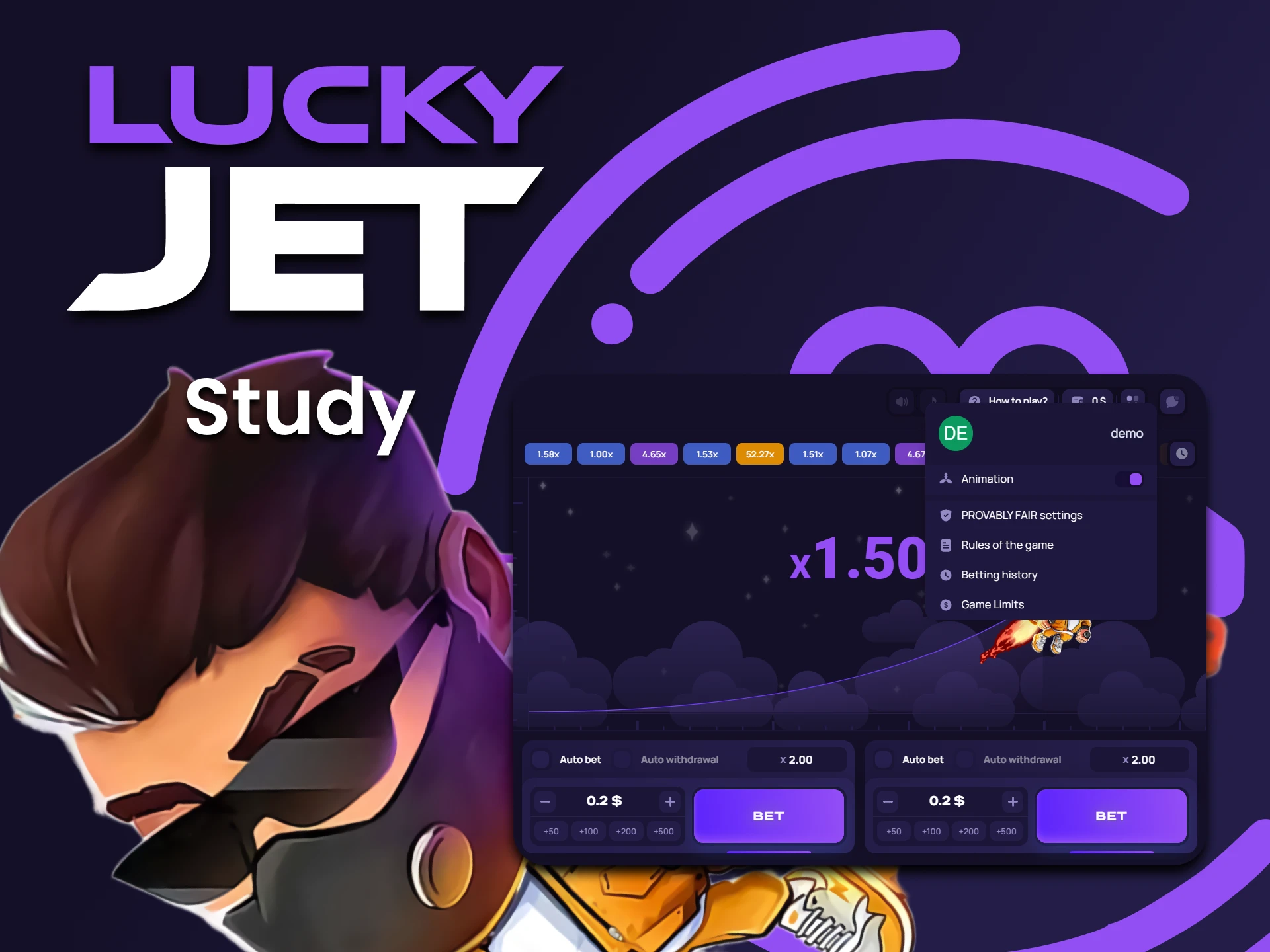
Lucky Jet is a round-based game where a multiplier climbs until the plane “crashes.” Players place bets and cash out before the crash for a payout equal to their bet multiplied by the current multiplier. The simplicity of the mechanic demands quick reactions and consistent frame updates from the app. Because of that, mobile performance and energy efficiency are crucial for prolonged sessions and for players who rely on mobile devices in Multi regions.
Core Technical Factors
- Rendering frequency and animation smoothness
- Network polling and real-time synchronization with server
- Background processing and push notification handling
- Resource management of audio and visual assets
Energy Efficiency Analysis
The energy efficiency of the Lucky Jet mobile app can be analyzed across three common mobile platforms: Android (various OEM builds), iOS, and lightweight webviews used inside casino apps. Each platform handles CPU scheduling, GPU usage, and network stacks differently, which directly impacts battery drain during play.
Android
On modern Android devices, Lucky Jet tends to consume moderate to high battery when animations run at high framerates and when the app maintains frequent websocket connections. OEMs with aggressive background task killing can reduce background drain but may disrupt notifications or live reconnections. Energy usage spikes when animations are GPU-accelerated and when audio is continuously decoded.
iOS
iOS generally manages energy more predictably. The Lucky Jet app on iPhones often shows lower battery drain compared to similar Android devices if the app leverages native rendering (Metal) and efficient audio APIs. iOS’s network handling for persistent connections is optimized, but prolonged sessions still consume noticeable battery, particularly on older devices or with screen brightness maxed.
Webview & In-App Browser
Playing Lucky Jet inside an in-casino webview (common for Multi players using the casino’s embedded browser) can be less energy-efficient. Webviews may not have full hardware acceleration or optimized audio pipelines, resulting in higher CPU usage and battery drain. Additionally, mixed tabs and background tasks from the parent app increase overall energy footprint.
Platform Speed Comparison
Speed here refers to both network latency (time to receive game state updates) and local frame rendering (visual smoothness). Fast platform speed reduces perceived lag and improves reaction timing for cash-outs, which is vital in Lucky Jet where milliseconds matter.
Latency
― Native iOS and Android clients using websockets typically show the lowest latency.
ー Webview implementations can add 50–150 ms overhead due to JS bridges and suboptimal socket handling.
― Network conditions in Multi territories vary; using a VPN or poor mobile data can inflate round-trip times significantly.
Frame Rendering
ー Native apps with GPU-accelerated animations maintain 60 FPS on modern phones, giving smooth multiplier animations and crisp UI reactions.
― Browser-based versions may drop to 30–45 FPS on mid-range devices, increasing visual stutter and making precise cash-outs harder.
Impact on Player Experience
Energy efficiency and platform speed influence key player outcomes:
- Session length: higher battery consumption shortens playing time on mobile.
- Cash-out accuracy: higher latency or lower FPS reduces effective reaction speed.
- Stability: aggressive background management or poor reconnection logic can cause aborted bets or missed rounds.
Real-World Observations
Players from Multi frequently report differences between playing Lucky Jet in the 1win app vs. browser versions offered by partner casinos. The 1win native app often performs better in both latency and battery management when up to date; however, some third-party casino webviews prioritized convenience over optimization, leading to higher CPU usage and reduced play stability.
Recommendations for Better Energy Efficiency
- Use the official 1win mobile app where possible — native builds are usually more optimized.
- Reduce screen brightness and disable unnecessary animations in device settings.
- Close background apps that may consume CPU cycles or network bandwidth.
- Prefer Wi-Fi networks with low latency and stable throughput; avoid congested public Wi-Fi.
- Enable battery saver modes if you plan long sessions (but test if they throttle network or kill sockets).
Casino-game review
Playing Lucky Jet in Multi-focused casinos shows a balance of accessibility and thrill. The game mechanics are straightforward, but technical execution varies by platform. When energy-efficient and fast, Lucky Jet delivers intense, rewarding sessions. When poorly optimized, players face sudden battery drain and lag-induced losses.
Visuals and Sound
The game uses high-contrast multiplier displays and aviation-themed audio cues. While attractive, these assets can contribute to battery usage—especially continuous audio decoding and high-resolution animations.
Questions and answers
Frequently asked questions
Q: Does the Lucky Jet app drain battery faster than other casino-games?
A: It depends on implementation. Native versions with optimized rendering are comparable; webview versions often consume more power.
Q: Can I play in demo mode to save battery?
A: Demo modes remove actual betting but may not reduce animations or network checks; energy savings vary by platform.
Expert feedback
Experienced Player
“I switched from browser-play to the 1win app and noticed reduced battery drain and faster reconnects. On my mid-range Android phone, web versions would stutter and the battery dropped noticeably after 40 minutes, while the app lasted longer with smoother rounds.”
Casino Support
Support teams recommend updating the app and ensuring permissions for background activity and notifications. They also advise players in Multi to use recommended mirrors and servers to minimize latency.
Technical Tips for Developers (brief)
To improve the energy efficiency of Lucky Jet mobile app, developers should:
- Use native rendering pipelines (Metal on iOS, Vulkan/OpenGL ES on Android) where possible.
- Optimize animation loop to lower frame rate when UI is idle (e.g., below 60 FPS during waiting screens).
- Batch network updates and avoid excessive polling—prefer websockets with efficient heartbeats.
- Compress audio assets and use platform decoders rather than continuous software decoding.
Where to Play in
Players from Multi can access Lucky Jet through 1win’s official app, partner online casinos that host the 1win title, or through in-browser casino platforms. For best energy efficiency and speed, choose the official native app or a partner that provides a well-optimized mobile client.
The energy efficiency of Lucky Jet mobile app significantly affects the player’s experience in Multi regions. Native apps generally offer better platform speed and lower battery drain compared to webview implementations. Players who care about long sessions and precise cash-outs should opt for optimized native clients, maintain good network conditions, and apply basic device-level power-saving measures without compromising real-time connectivity.